Hi everyone.
Great to see all the friendly faces back at Rotary on Tuesday night. Lots of chatter with everyone catching up on events that have happened over the Christmas holidays.
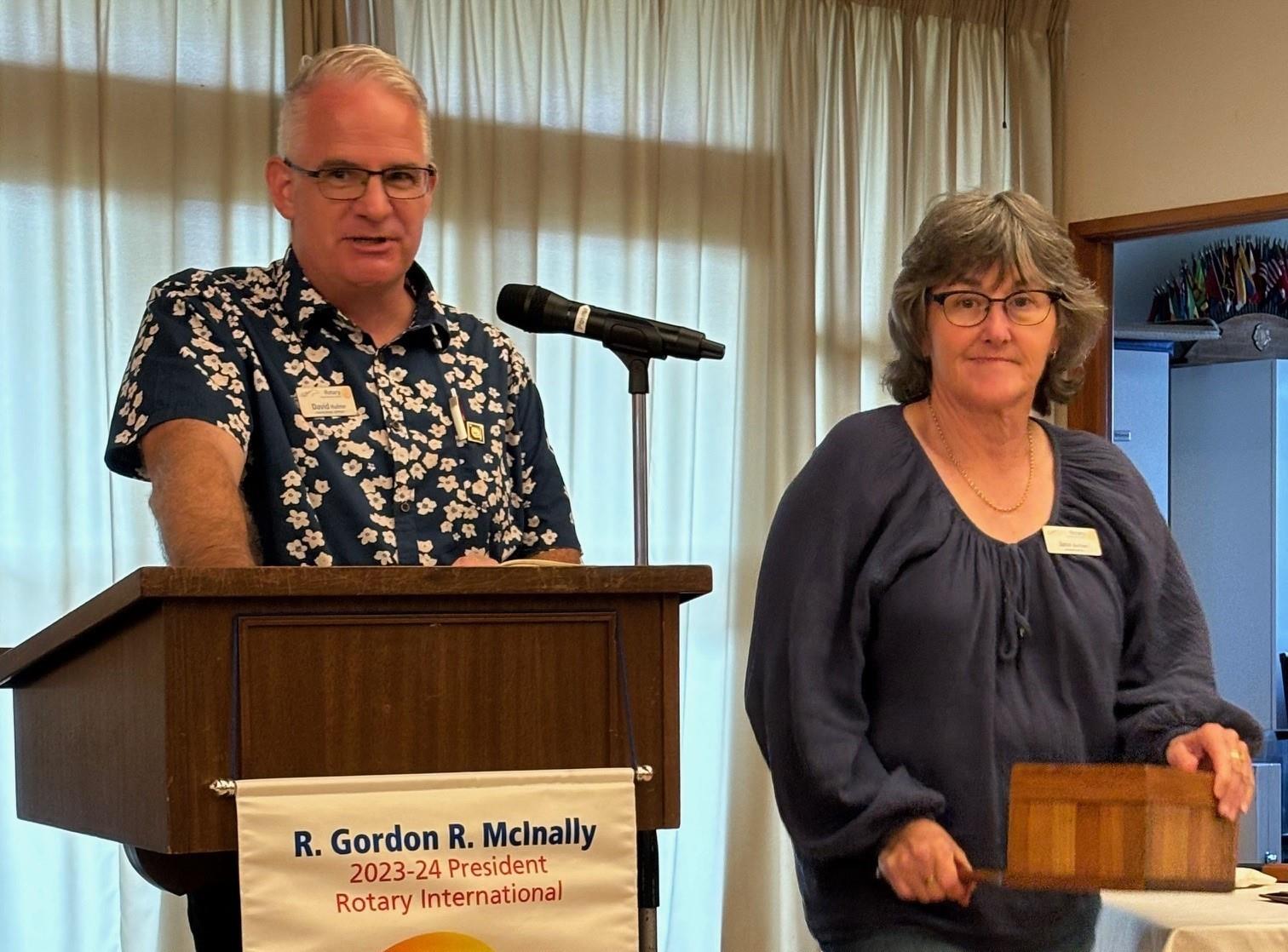
David Hulme opened the meeting thanking Wade and Brenda Linnell for hosting the bar-b-que last week.
David then announced the outstanding news that Michelle Tanner had been elected District Foundation Chair. This is a fantastic achievement and recognition, and again highlights Michelle's dedication to Rotary. Congratulations Michelle.
David and sidekick President Jane then took great delight in extracting what fines they could muster from the members.
Secretary Beth Taylor had received a postcard from the School of St Judes in Tanzania, which she read our, thanking us for our continued support of the school by way of helping with one of their school busses. The club has been supporting the school since 2005 so some of the student that went there have now gone on to University and have become doctors and lawyers.

~~~~~~~~~~~~~~~~~~~~~~~~~~~~~~~~~~~~
Dave Johnson gave us a quick follow up in regard to the sale of Christmas trees last year. 156 tress were sold with a profit to the club of $3616. Great work team.
~~~~~~~~~~~~~~~~~~~~~~~~~~~~~~~~~~~~~~
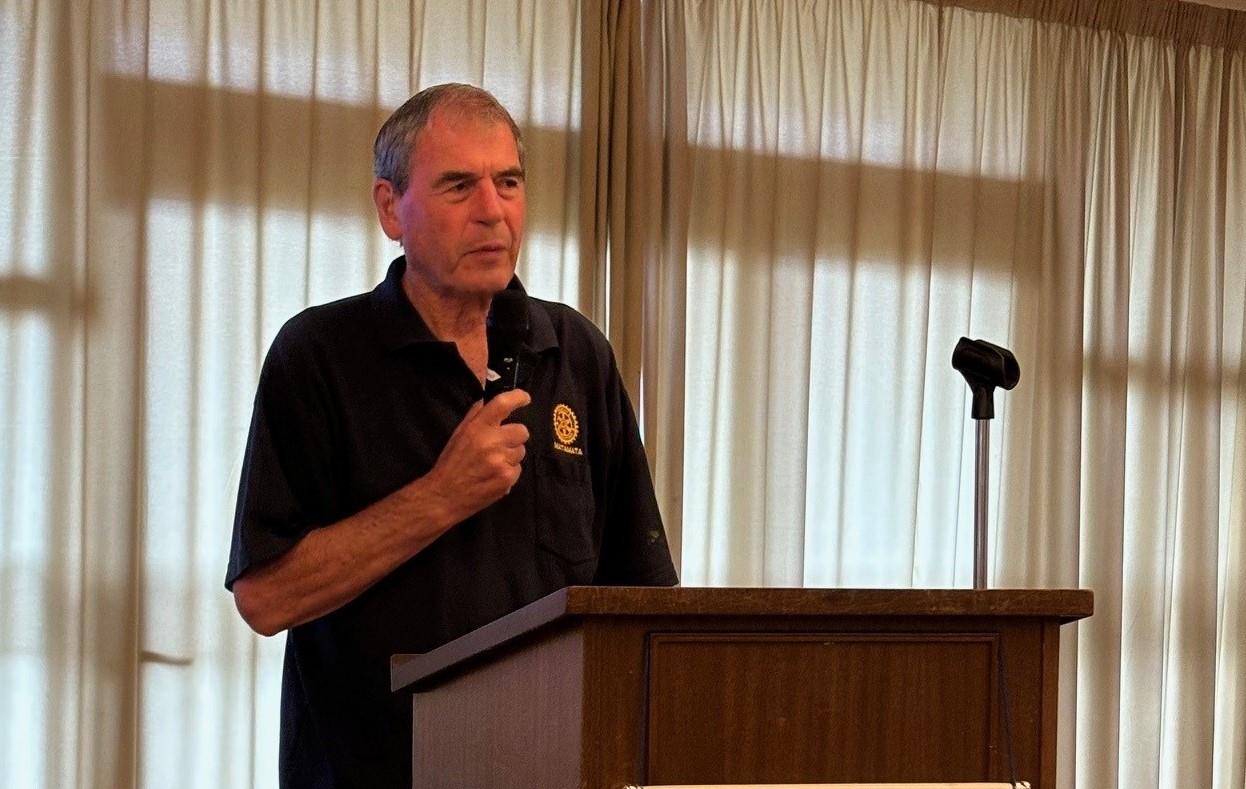
Fred Barrett was our speaker this week, sharing with us a video and stories of an earlier trip the he and Ces had done to Peru in South America. Absolutely fascinating.
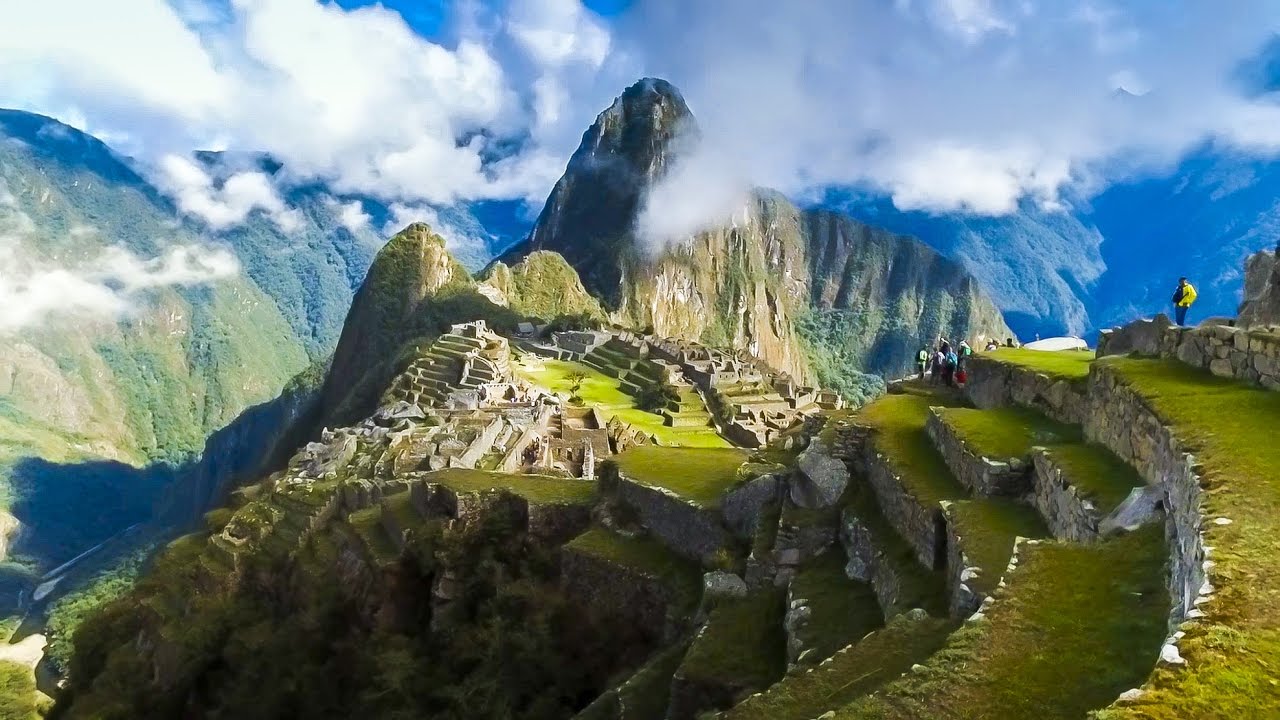
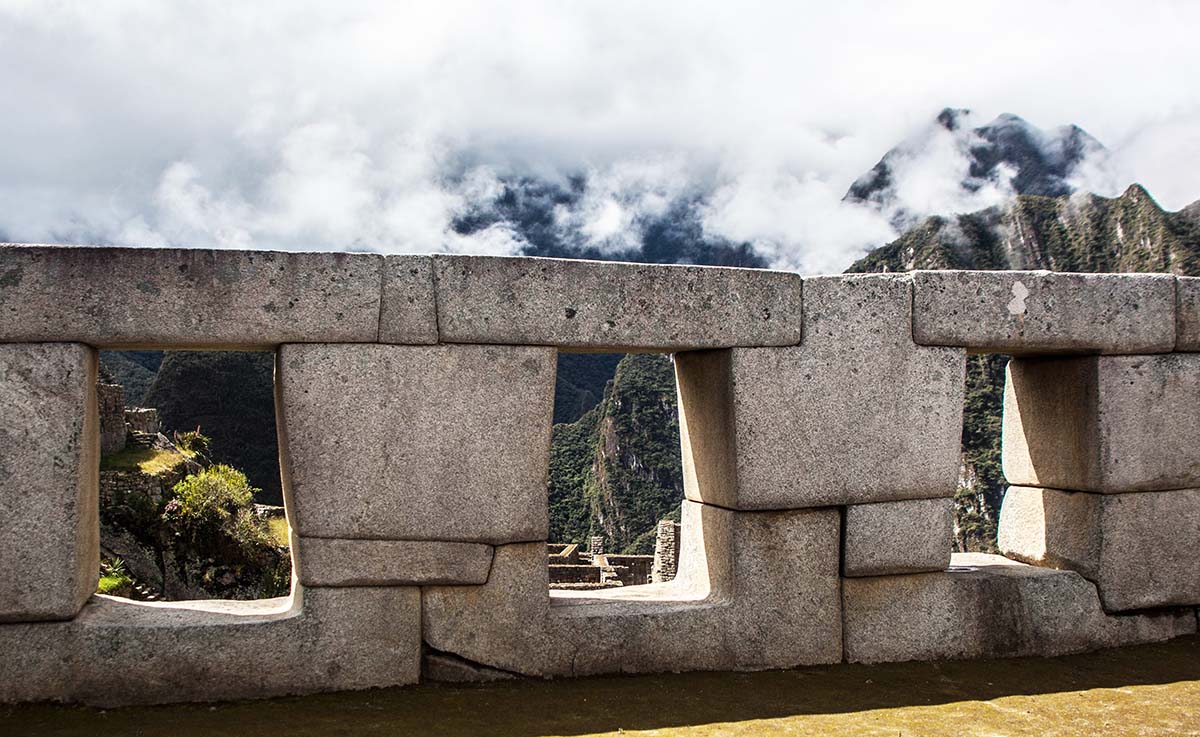
The highlights for me were the images of Machu Picchu and the Nazca Lines and less so, one of the food delicacies of Peru.
Machu Picchu was constructed by the Inca people starting around 1450 AD. Peru has high seismic activity and Machu Picchu itself is located near two fault lines.
The construction is amazing using a special technique called ashlar were the stones are cut precisely to sit on top of one another without any space between them.
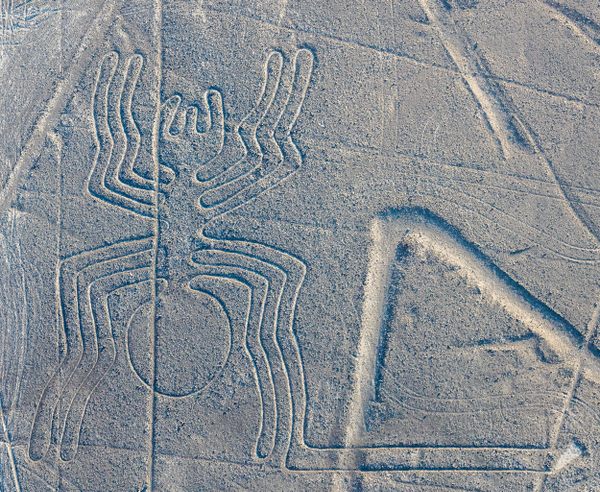
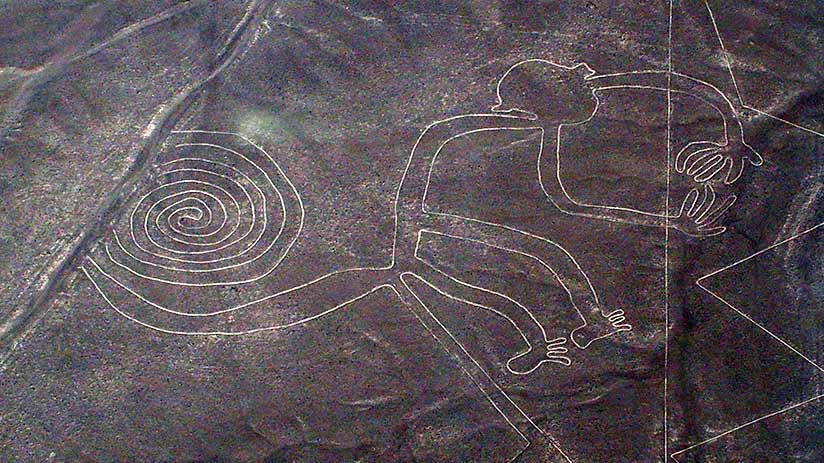
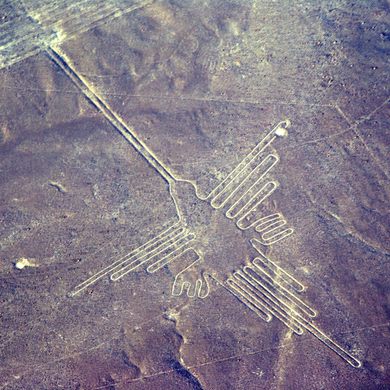
The Nazca Lines are what I found most fascinating. These are only fully visible from the air, so how did the Nazca people construct such amazing images? These glyphs were made between 200BC and 600AD and they cover an area of almost 200 square miles. Some of the images are as large as 890 feet. Although in the photos, they look like they are raised lines, they were in fact made by scraping a 10 to 30cm layer of iron oxide off of the dry desert floor, thus creating the lines. The following images of the Nazca Lines are of a spider, a monkey and a humming bird.
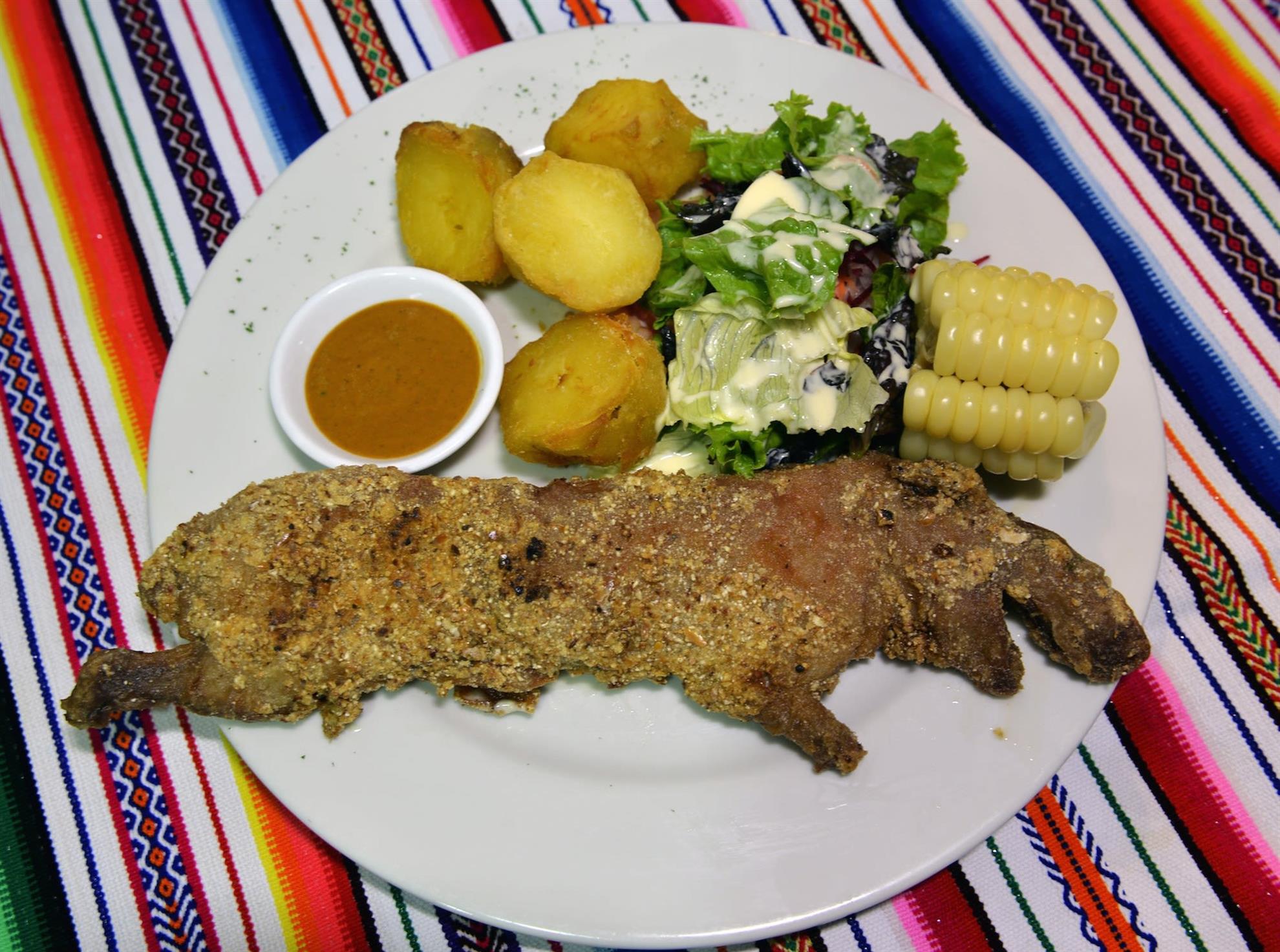
Then was was the popular food item that the Peruvians enjoy..... Guinea Pig! Not for me I'm afraid.
~~~~~~~~~~~~~~~~~~~~~~~~~~~~~~~~~~~~~~
~~~~~~~~~~~~~~~~~~~~~~~~~~~~~~~~~~~~~~