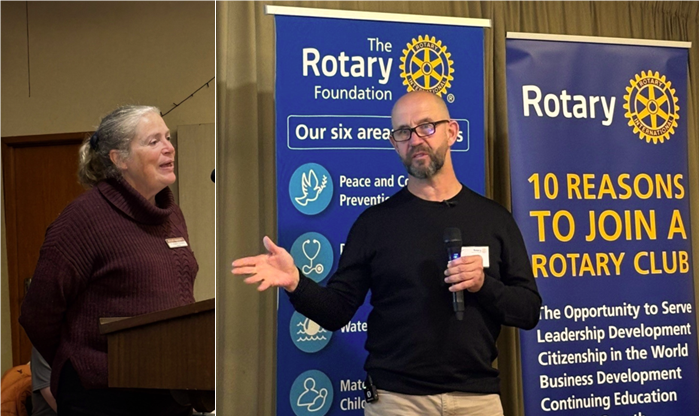
Dr Angela Sharples, Principal of Matamata College, gave a brief rundown on the very relevant topic for all schools, that being Student Well-being. Dr Sharples then introduced Andrew Sylvester from Limewise to elaborate on the many challenges that students face on a day-to-day basis and what is being done to help them navigate these.
Andrew spoke of how well-being is vital for student success and of ways to help students with increased engagement in learning, positive relationships and positive socio-emotional behaviour. Students need a sense of belonging to learn effectively.
In 2021/2022, nearly one in four young people aged 15-24 years experienced high or very high levels of psychological distress, up from 11% in 2020.
In 2018, 62% of secondary school Principals say they need, but cannot access, external expertise to help their school support and work with students on their well-being – a sharp rise from 36% in 2015.
The Limewise Pulse program encourages weekly check-ins which can then identify and support students who need help. With humble beginnings in Christchurch, Limewise by Qoria is the largest digital well-being provider in the world. It now partners with 29,000 schools, protecting 23m children, supporting 100,000+ teachers and empowering 6m parents and caregivers.
In NZ, 460 schools and 200,000 students are supported by them everyday.
Limewise helps schools rise above basic digital safety and well-being measures to support students in an increasingly online world. It is a very different world that children grow up in now, compared to what we knew as children.
Internet related disorders are the fastest growing mental health issue. Half of NZ teenagers have reported being exposed to potentially harmful online content. 30% of secondary school students in NZ had reported being cyberbullied. WHO has formally classified internet gaming as an addictive disorder. We need to walk alongside the children when they are in digital spaces.
The Limewise Pulse program gives prompted questions, giving the child an opportunity to reach out. The first question of every well-being check-in should be: How are you feeling today? 86% of students, who have checked in using Pulse, say that they feel it is a safe place and they as students feel listened to. They are prompted with questions like, “What makes you feel happy/excited?”, What are you grateful for?”, “Would you like to offer gratitude to someone?”, and if they would like to talk to someone, they are given the opportunity to chose who that person is, so that it can be someone that they feel very comfortable with. This means that the outcome is that they feel listened to, creating a positive experience, with the children feeling and doing better in school.
Schools already engaged in the program have said that the outcomes are remarkable and they love the opportunity to liaise with other schools and compare notes.
The main thing is that we need to talk to and protect our children and grandchildren to help them to understand what is and isn’t safe.



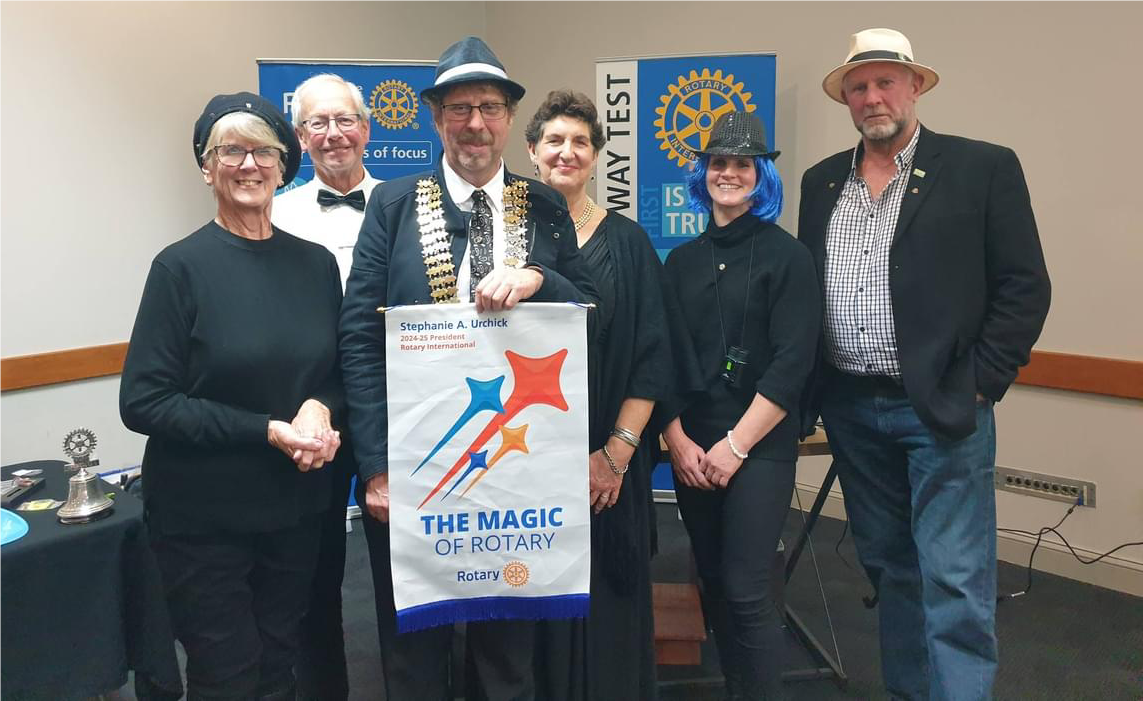
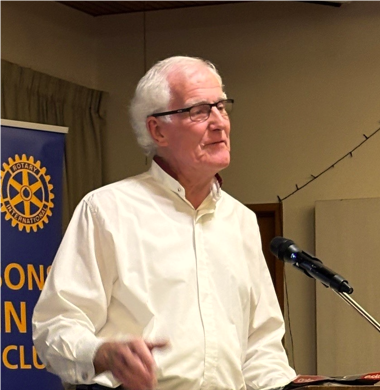 Colin Kemplen was nominated by Miranda as a prospective new member and this evening he was inducted into the Club. Colin had a long history in banking, before going on to form a Greeting card business called Charity Cards. Colin and his late wife Gabrielle enjoyed an absolute passion for cycling and were often seen around town on their tandem bike. Welcome to our newest member!